A useful robotics profile does more than list software and certificates. It helps a school understand what you can teach, what you have built, and the level of support you need to succeed in a classroom.
Start with the roles you want. Name the age groups and subjects you can teach, such as introductory robotics, coding, electronics, or STEM projects. Add your location and availability so hiring teams can see whether a role fits before they contact you.
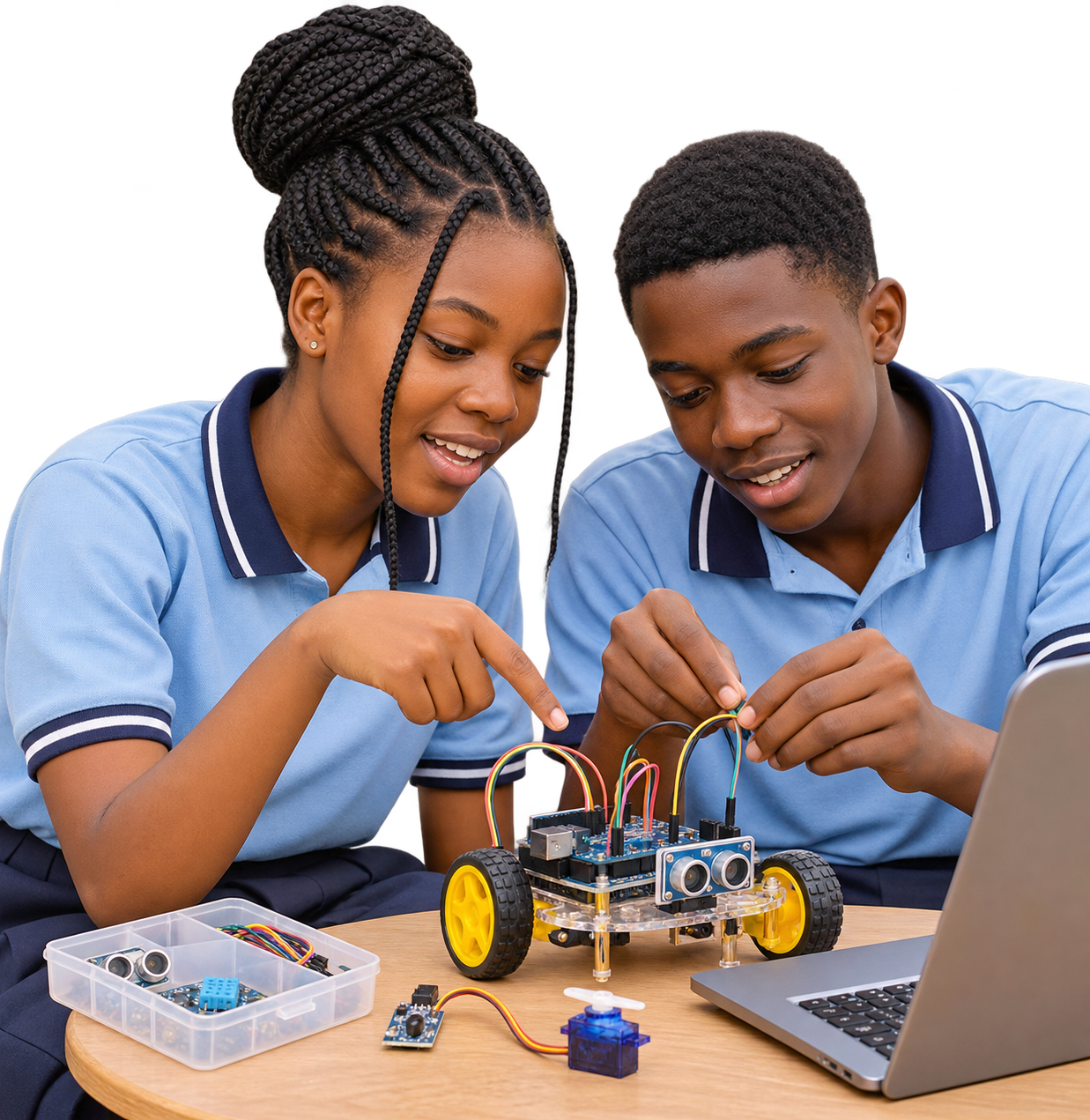
Show evidence of your work. Describe two or three projects and your contribution to each one. A small Arduino sensor project or a classroom robot build is useful when you explain the goal, the tools, the problem you solved, and what students learned. Include a lesson plan, project photo, or short demonstration where you have permission to share it.
Separate technical skill from teaching skill. Knowing Python or wiring a circuit is only part of the job. Explain how you introduce a concept, guide learners through mistakes, and check understanding. If you have taught before, describe the class size, learner age, and outcomes without exposing student information.
Keep credentials accurate and current. Add training and assessment results you can verify, and update your profile when you complete new work. A clear profile gives RobotKraft and hiring teams a better basis for assessment and matching.